Why Use Baby Sign Language?
Using simple signs with your baby can:
- Reduce frustration
- Encourage early communication
- Support language development
- Strengthen parent-child bonding
Start using signs when your baby starts making eye contact with you (6-8 weeks old), and be consistent. Babies are always listening, watching and absorbing long before they can express themselves. Babies are able to learn what the signs mean well in advance before they can make the sign themself. Always say the word while signing!
Tips for incorporating signs into your daily interactions and teaching them to your baby.
- Use real-life moments: Sign during meals, while playing, and daily routines.
- Be consistent: Try to use the sign every time you say the word.
- Be repetitive: Attempt to say and sign the word 3 times in a row when teaching.
- Be patient: Babies may take weeks to use the sign themselves.
- Celebrate: Get excited when your baby attempts to use a sign
*Tip – for young babies start using ‘milk’ sign every time they have a bottle/breast feed*
Things to keep in mind:
- Your baby will probably produce a sign that looks different than what you are doing – that’s okay!
- They won’t use the sign consistently once they start – keep demonstrating it and using it with them.
Below are 7 signs to start using with your baby or toddler the next time you’re talking with them.
7 Core Signs to Start Right Now!
The pictures below show my toddler doing the signs for ‘more’, ‘all done’, ‘milk’, ‘help me’, ‘water’, ‘eat’, ‘please’.
- ‘More’ – Tap fingertips of both hands together repeatedly.


2. ‘All done’ – Start with palms facing down, then turn them out repeatedly.
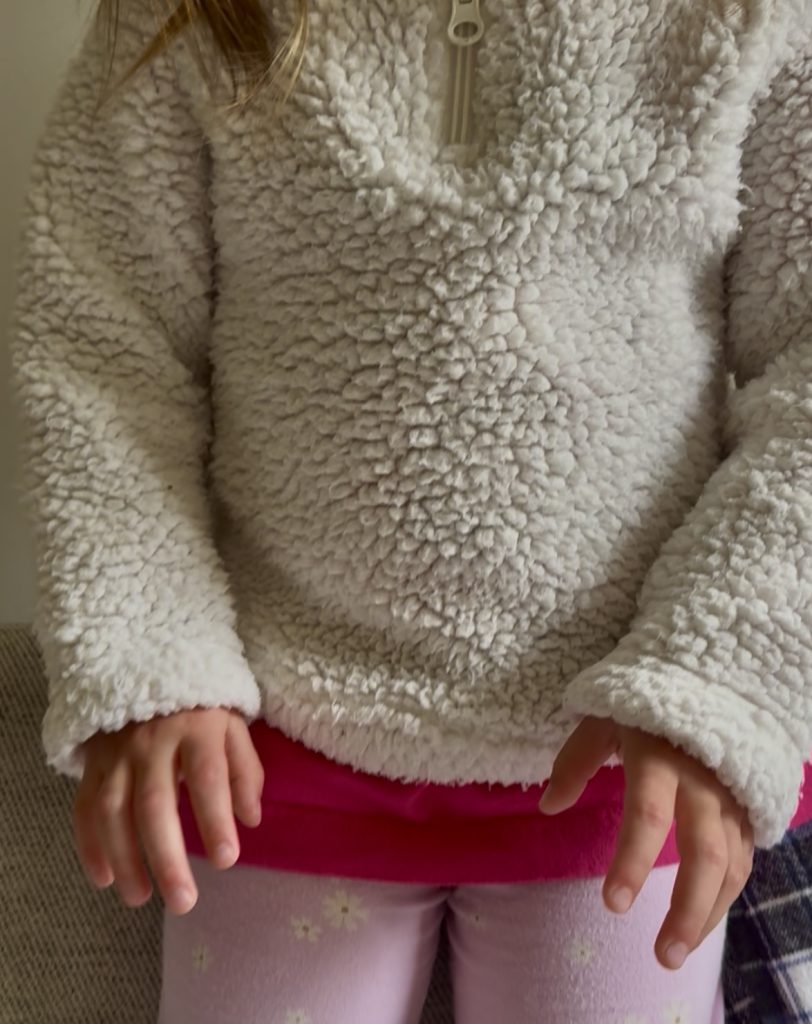

3. ‘Milk’ – Open and close your fist like milking a cow.
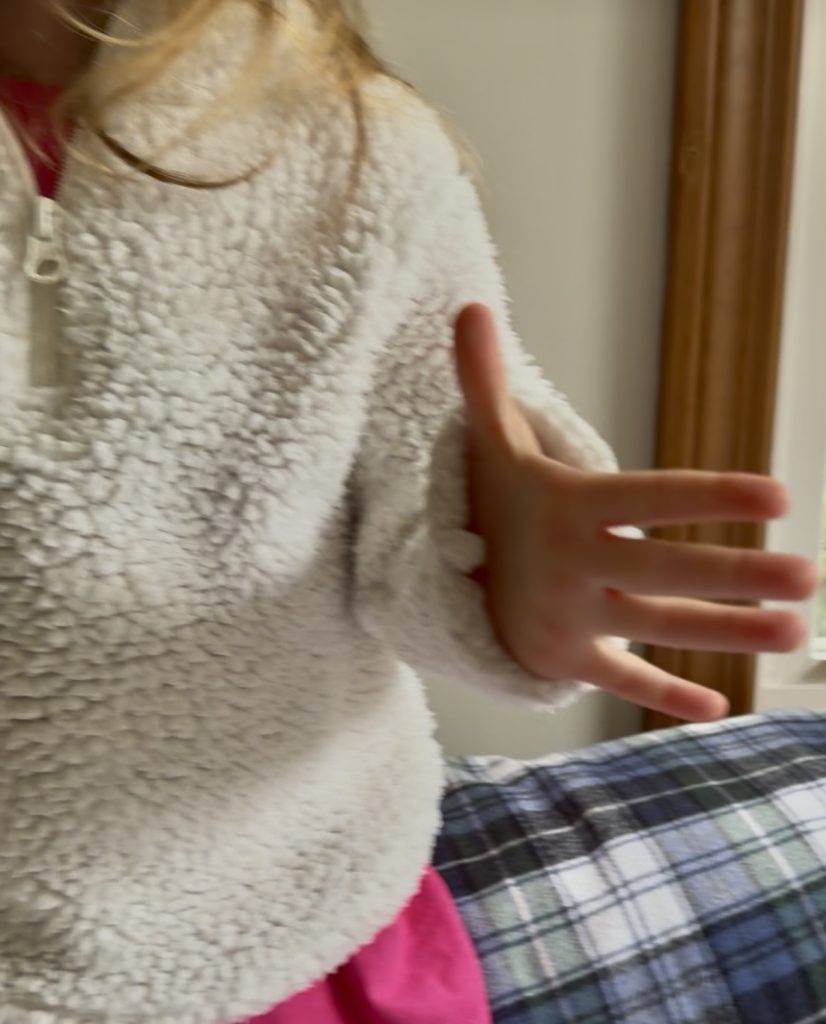

4. ‘Help me’- Place a closed fist on your open palm and lift both hands.


5. ‘Water’ – Make a ‘W’ with your fingers and tap your chin.


6. ‘Eat’ – Tap fingers (in an ‘O’ shape) to your mouth once.


7. ‘Please’ – Rub your flat hand in a circle on your chest.

About the Author:
Meghan Plaza, M.S., CCC-SLP, is a licensed speech-language pathologist and mom of two young children. With experience in home health, schools, and rehabilitation settings, Meghan helps parents support their child’s speech and language development using simple, practical strategies that fit into everyday routines.
Disclaimer: This content is for informational purposes only and is not a substitute for professional evaluation, diagnosis, or treatment. If you have concerns about your child’s development, please consult a licensed speech-language pathologist or your pediatrician.
Leave a Reply